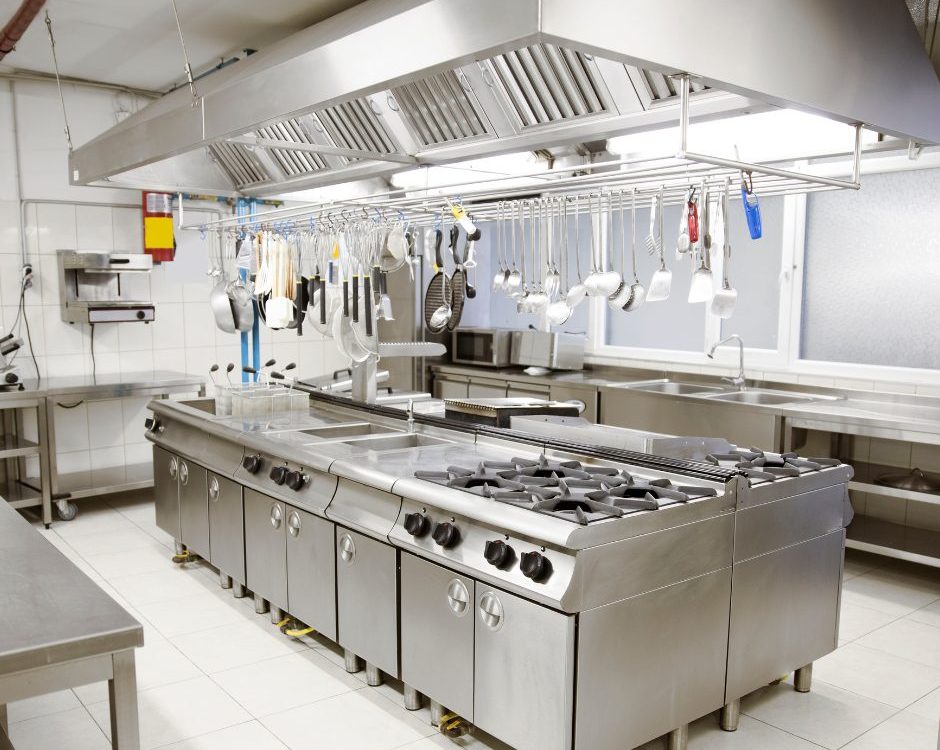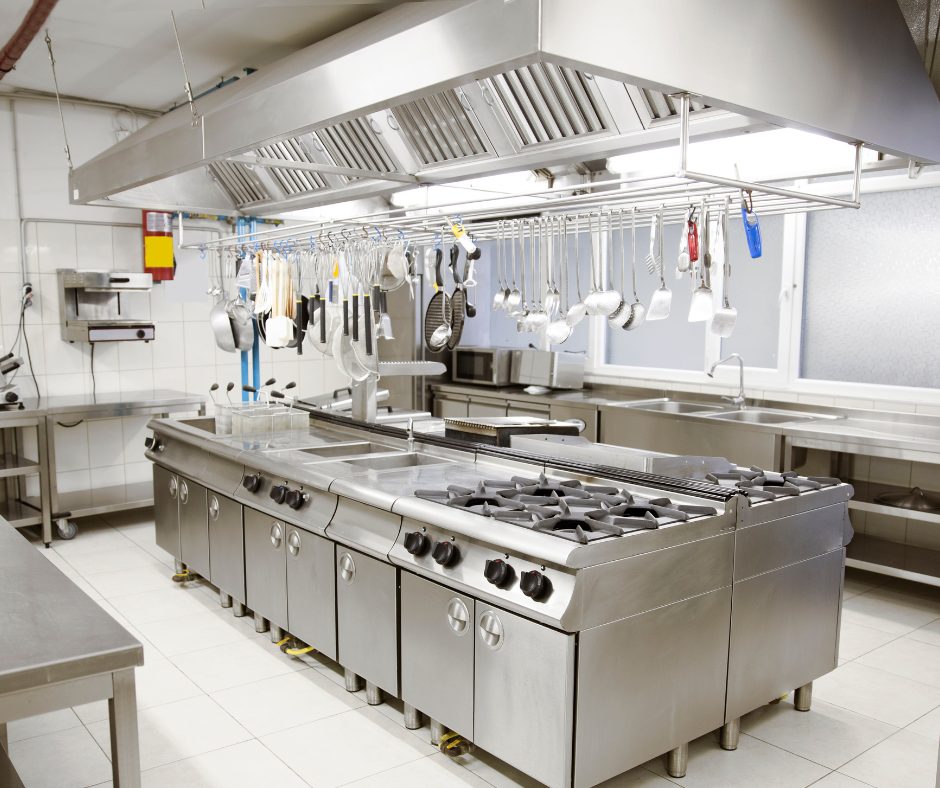

When temperatures drop so does kitchen performance. Here’s how you can protect your equipment this winter.
Cold weather affects more than your heating bill. It can quietly damage commercial kitchen equipment,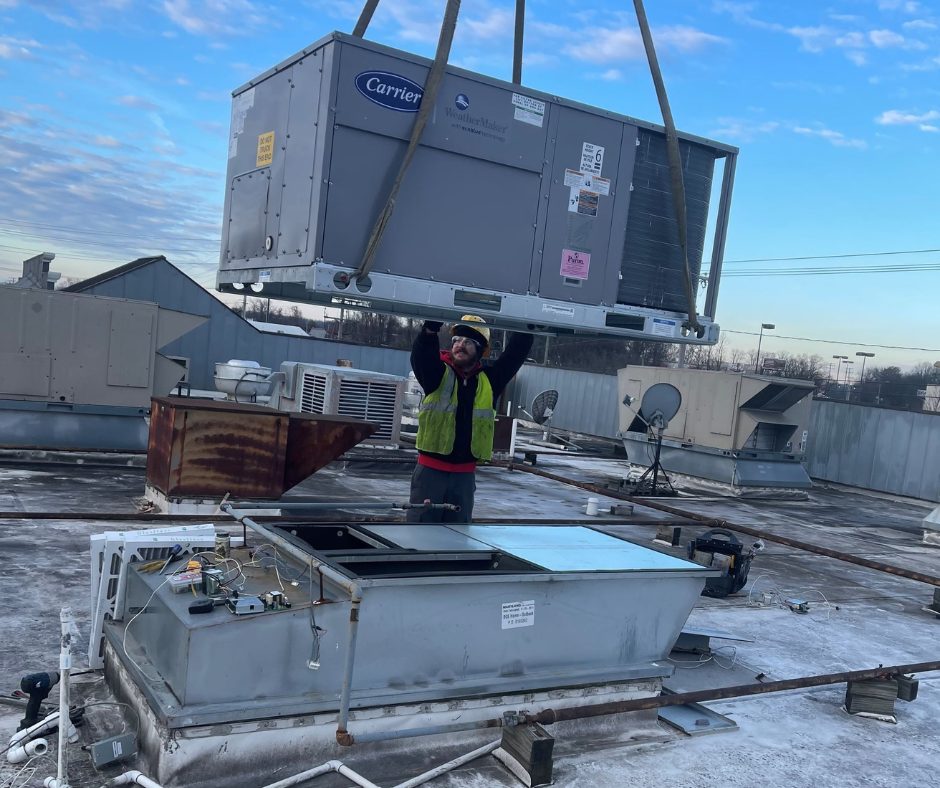 interrupt service, and lead to expensive downtime. January is one of the busiest months for emergency service calls, often due to cold-weather issues that could have been avoided with the right preparation.
Below are some of the most common ways winter weather impacts commercial kitchen equipment and what you can do to prevent problems before they start.
Frozen or Bursting Pipes
The impact:
Freezing temperatures can affect water lines serving dishwashers, ice machines, coffee systems, and combi ovens. When pipes freeze, they can crack or burst, leading to water damage and equipment outages.
What to do:
- Insulate exposed pipes, especially near exterior walls
- Keep kitchen temperatures above 55°F during off-hours
- Let faucets drip overnight during extremely cold temperatures
- Schedule a winter plumbing inspection
Ice Machine Malfunctions
The impact:
Ice machines are particularly sensitive in the winter. Cold incoming water, frozen drain lines, or outdoor condensers exposed to low temperatures can reduce ice production or cause complete system failure.
What to do:
- Make sure drain lines are insulated and draining properly
- Maintain ambient air temperatures within manufacturer guidelines
- Clean machines regularly to prevent scale buildup, which can worsen cold-weather issues
Refrigeration Struggles & Temperature Fluctuations
The impact:
Cold outdoor air can confuse thermostats, overload compressors, or cause walk-in units to cycle improperly, especially if condensers are exposed or near drafty areas.
What to do:
- Inspect door seals and gaskets for air leaks
- Monitor temperatures closely during cold snaps
- Keep condenser coils clean and free of obstructions
- Use weather-rated controls for outdoor walk-in units
Electrical & Ignition Failures
The impact:
Cold temperatures can affect control boards, sensors, and ignition systems, especially in gas-powered equipment like ovens and fryers.
What to do:
- Keep equipment areas dry and properly heated
- Pay attention to delayed ignition or recurring error codes
- Address small electrical issues before they turn into major failures
Increased Wear on Older Equipment
The impact:
Winter conditions tend to expose existing weaknesses. Older equipment is more likely to fail when temperatures fluctuate or systems have to work harder to maintain performance.
What to do:
- Schedule planned maintenance in January
- Replace worn parts before peak service hours
- Consider upgrading outdated equipment with energy-efficient models
For many food service operations, winter is a slower season, which makes January a smart time for preventive maintenance. It’s an opportunity to complete full equipment inspections, catch cold-weather damage early, avoid emergency repairs, and extend the life of critical kitchen equipment.
Cold weather doesn’t have to disrupt your operation or drive up repair costs. With proper preparation and proactive maintenance, commercial kitchens can stay safe, compliant, and fully operational throughout the winter months.